

Note: This is an updated version of a post from December 24, 2015.
In this week’s Torah portion, Vayechi, Yaakov dies, ending Bereishis, the first book of the Torah. It is a tender parsha, full of blessings and mourning. But from the brothers’ loss, where we should have seen the ultimate unity, we instead see a tragic discord.
After Yaakov’s death, he is embalmed and all of Egypt mourns for 70 days. Then, in grand procession, the family travels to Canaan to bury Yaakov in the cave in Machpelah (which Avraham purchased back in Chayei Sarah). After their father is laid to rest, the Torah describes the relationship of the brothers with the following…
Now Joseph’s brothers saw that their father had died, and they said, “Perhaps Joseph will hate us and return to us all the evil that we did to him.” So they commanded [messengers to go] to Joseph, to say, “Your father commanded [us] before his death, saying, ‘So shall you say to Joseph, “Please, forgive now your brothers’ transgression and their sin, for they did evil to you. Now please forgive the transgression of the servants of the God of your father.”‘ Joseph wept when they spoke to him... But Joseph said to them, “Don’t be afraid, for am I instead of God? Indeed, you intended evil against me, [but] God designed it for good, in order to bring about what is at present to keep a great populace alive. So now do not fear. I will sustain you and your small children.” And he comforted them and spoke to their hearts.(Bereishis 50:15-21)
Only now did the brothers see that their father was dead?
After all the above, the burial and the 70 days of mourning, it’s when they return home they notice their father is dead? Rashi points out that the brothers now felt Yoseif was now different towards them. Where he once greeted them warmly, now that Yaakov was gone, Yoseif was cold. So the brothers devise a plan so Yoseif will think his father (via message) commanded him to forgive the brothers. Yoseif sees right through their ploy, but comforts them saying, it all turned out for the best, I will take no revenge. And that’s pretty much the end of that. But… it’s not.
If you look above two things are missing. One, the brothers do not actually apologize. This is an example of an unfortunate and all too often attitude. Just because it all turns out for the best, doesn’t mean we’re free from making amends.
Yes, because of the brothers, Yoseif rose to the highest ranks in Egypt. And with that prominence he saved the world from starvation, established Egypt as the ultimate super power, made a home for the Jewish people, and lived a life of wealth and luxury. None of that would have happened if the brothers hadn’t sold Yoseif. But despite that fortune, that doesn’t change the fact that Yoseif was thrown into a pit to die, worked for years as a slave, spent over a decade in prison, and was robbed of all that time with his father. Can you imagine the fear, pain, exhaustion, doubt, and worry Yoseif had to endure? But the brothers don’t make amends for that. Instead, the brothers come just short of saying, You should thank us! It’s an excuse to abandon compassion.
And then there’s the other thing. Yoseif doesn’t actually forgive them. He reassures them of safety, but never explicitly says ‘I forgive you.’ Instead, his response is “Am I instead of God?” Yoseif is on a level of knowing that justice is ultimately distributed by God, but by the fact that he says, “You intended to do evil to me…” implies he’s still bitter. As if to say, justice is up to God, but if it were up to me, you’d pay.
It can be argued that the single biggest problem facing the Jewish people today is a lack of unity. This unresolved family fracture becomes a template, not an exception. There are those who say that the discord comes from this very moment. So what is the obstacle to unity? A focus on self. The ego.
Both sides lack humility. The brothers are only coming to Yoseif out of a sense of fear and not a true desire to make amends. And Yoseif? Sure, he “comforted them and spoke to their hearts.” But Rashi tells us Yoseif, deep down wasn’t real with the mentality. On verse 21 Rashi says Yoseif spoke to their hearts meant he said, “Before you came down here [to Egypt] they maligned me [saying] that I am a slave but through you it became known that I am a free man. If I were to kill you what would people say?” That’s quite a messed up thing for Yoseif to say. Not, I love you and forgive you, but instead, if I killed you what would people say? He makes his response all about him, not about them. There is still a part of him that can’t let go of the offense completely.
This struggle to overcome our ego is so necessary that Rambam says arrogance is one of the two traits that we should completely rid ourselves of. It is a tremendous level to achieve and obviously the brothers didn’t reach the bar. But someone will. Who? Well did we just finish the first of the Five Books of Moses.
Update January 1, 2026
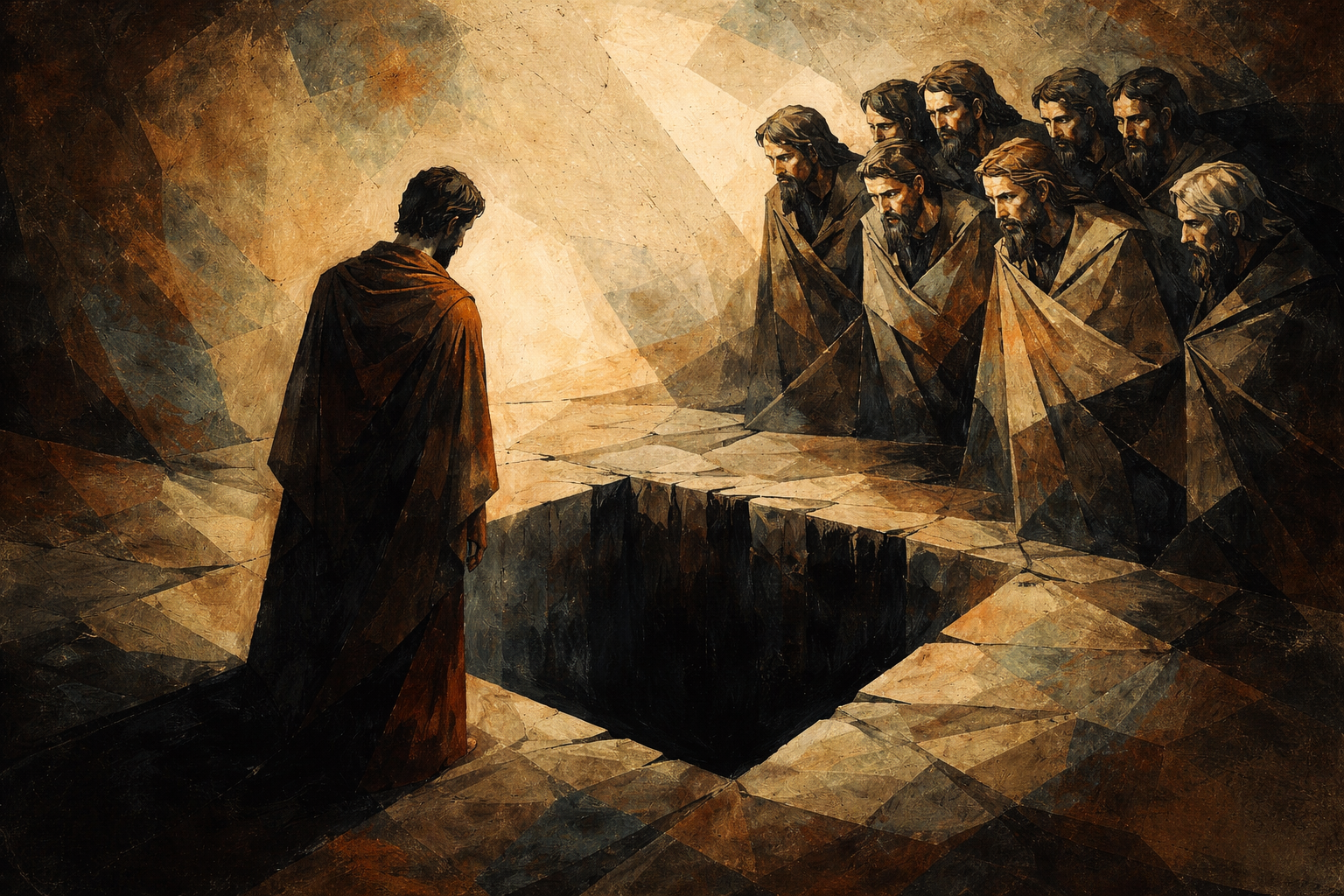
To add a little bit of learning to this blog post reissue, there is a fascinating Midrash as to why the brothers believed Yoseif was still angry with them. On the way back from burying their father, they noticed that Yoseif had stopped and was staring at the pit they had thrown him into all those decades ago. Seeing this, they assumed he was stirring up hatred in his heart, recalling the betrayal all over again. Reopening old wounds, so to speak.
But instead Yoseif actively sought out the pit for a completely different reason. If a person is saved from a disaster, especially from a life-threatening danger, when they return to that place after being saved, there is a blessing they can recite. Baruch sheahsah li neis bamakom hazeh. Blessed is He who performed a miracle for me in this place. Yoseif wasn’t seeking to stir up feelings of revenge, he wanted to perform a mitzvah of gratitude to Hashem.
The lesson here is that we don’t ever know what is going on beneath the surface with anyone else. We may think we do, and we may be able to make a really good guess. But the truth is, all we are really doing is projecting our own feelings on to those people. “What would I feel if I was in that situation?” Now that is a good thing to do as an exercise in relationships and compassion. But that doesn’t mean you know what they are actually feeling. Had the brothers been straight forward with their concern and come to Yoseif, they wouldn’t have found an angry vengeful, spiteful brother, but instead one full of gratitude. It’s great to put yourself into someone else’s shoes, but be careful of projecting, assuming your thought process is theirs, and when it doubt, judge the people you know favorably.
This post is dedicated to the refuah sheleima of Daniel Moshe ben Rivka Binah.

