
Possibly the most obscure Jewish holiday is Pesach Sheni. For even the most religious Jews, the day amounts to little more than not saying the supplicatory prayers (known as Tachanun) and maybe eating some matzah. But Pesach Sheni occurs just before a very joyous holiday known as Lag B’Omer which ends the mourning period of Rabbi Akiva’s students (according to many traditions). And also this coming week coincides with the time of year when the Manna from heaven started to fall in the desert, providing sustenance to the Israelites. So regardless of its importance Pesach Sheni ushers in a joyous shift in the Jewish calendar.
Many view Pesach Sheni as a holiday about second chances. Once I explain its origin, you’ll likely think that is the important takeaway. But I think there is a more essential lesson from Pesach Sheni which might explain why it begins this time of joy.
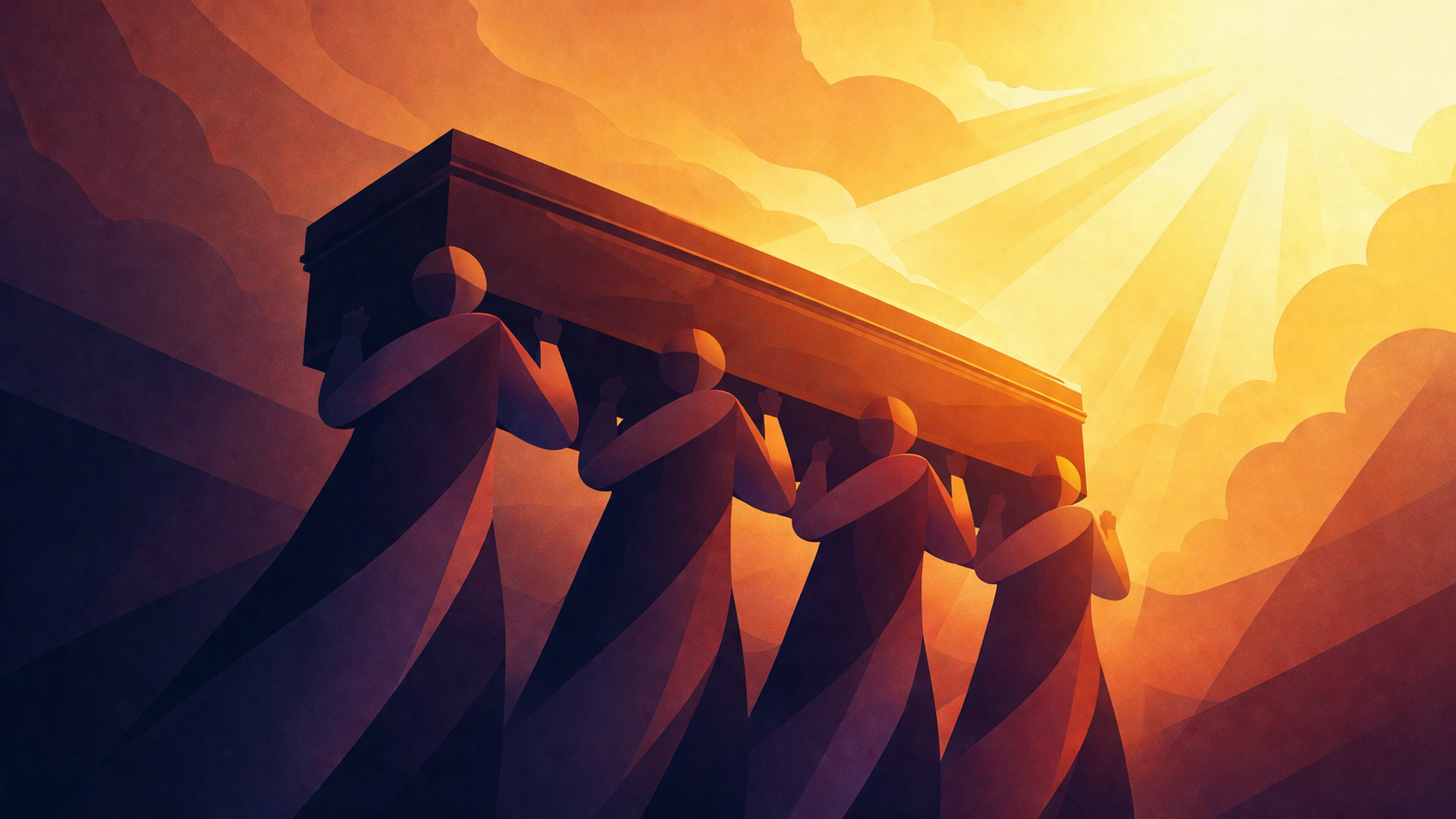
The story of Pesach Sheni comes directly out of the Torah (Bamidbar chapter 9). In the second year of the Exodus the Israelites make preparations to observe Passover, particularly the mandatory Pesach sacrifice. However, there is a group of Jews who are carrying the bones of Yosef. These men are tumas meis (impure due to handling the dead) and thus were prohibited from performing sacrifices.
Just a note about mitzvahs and consequences for doing or not doing them. Transgressing a prohibitive mitzvah (don’t do X i.e., kill, break Shabbos, etc) results in a negative consequence (punishment, misfortune, needing to bring a sacrifice). It may be from the earthly court or it may come from heaven. But when it comes to transgressing an active mitzvah (do X, i.e., give tzedakah, visit the sick) you forfeit capitalizing on a reward, but aren’t usually punished. Except for two active mitzvahs; getting a bris milah and bringing the Pesach sacrifice.
The person who is pure and was not on the road and refrained from performing the Pesach offering, that soul shall be cut off from its people, for the offering of Hashem he did not bring in its proper time; that person shall bear his sin. (Bamidbar 9:13)
Not bringing the Pesach sacrifice results in kares (being cut off spiritually) which is pretty severe. But as the verse states that’s only if the person was pure. For a person in a state of tumah (impurity) they can’t bring the sacrifice. They are exempt from this mitzvah. No harm, no foul. So for these carriers of Yosef’s bones, that should be the end of it. But it isn’t.
These men specifically find and ask Moses what about us? “Those men said to him, ‘We are impure, having had contact with a corpse; why should we be excluded and not be able to bring the offering of Hashem…?’” (Bamidbar 9:7) Moses doesn’t know what they should do so he goes to Hashem who replies, “Speak to Bnei Yisroel, saying: any person, if he will be impure from a corpse or is on a distant road… shall perform the Pesach offering for Hashem in the second month on the fourteenth day… Together with matzah and bitter herbs, they shall eat it.” (Bamidbar 9:10-11)
This second month opportunity is Pesach Sheni. As far as I know, this is the only time-bound mitzvah that you get a do-over if you mess it up. You want to say Shema after the time has passed? Too bad. You can say it and get points for learning Torah, but you missed the opportunity to fulfill the Shema mitzvah that day. You forgot it was Shabbat and want to make it up by taking Sunday off? Nope, Shabbat came and went. But for these men, Hashem didn’t just give them another opportunity, He made it a permanent holiday in the calendar! So you can see Pesach Sheni might seem like it is about second chances. But I think there’s something deeper.
Had these men kept their mouths shut, that would have been the end of it. How many of us have tried to get out of inconvenient obligations? Who wants to be selected for jury duty? I know someone who said the judge specifically told them not to act excited or relieved when they get excused. God forbid there is a draft, how many of us would try to get an exemption? Even for mitzvahs, how many of us want to rely on leniencies? But for these men, it wasn’t about being excused, it was about being excluded. Doing mitzvahs are precious and they didn’t want to miss out on the connection and elevation the Pesach experience offers. They didn’t look at the mitzvahs as obligations, but opportunities.
I believe it was the spirit of seizing the mitzvah, zerizus (in Hebrew,) that ushers in this week of joy. If you’re counting the Omer, Pesach Sheni falls on the 29th day. In the spiritual vessels known as the sefirot, day 29 begins the week of hod. Hod is difficult to translate, but the words associated are splendor, glory, or honor. When I think of glory and honor, I think of a war memorial, where we pay respects to the people who dedicated their lives to country, justice, and something bigger than themselves. That dedication to duty, putting everything aside in service of what is right and good, that’s what Pesach Sheini is really about. Not a second chance to do something right, but a commitment to it. That not only created a whole new holiday in the Jewish calendar, it shifted the energy of the whole Jewish year.

